Best Carpet Choices for Allergy Sufferers 2026
In 2026, the importance of indoor air quality has never been more pronounced, especially for individuals suffering from allergies. The right carpet can significantly impact the comfort of your home, providing a soft surface underfoot while minimizing allergens. This article explores the best carpet choices tailored specifically for allergy sufferers, focusing on materials, maintenance, and design innovations that enhance air quality.
Understanding Allergens and Carpeting
Allergies can be exacerbated by various allergens commonly found in homes, including dust mites, pet dander, and mold spores. Carpeting can act as a reservoir for these allergens if not chosen wisely. In 2026, it is crucial to understand how different carpet materials interact with allergens. Carpets that trap dust and allergens can lead to decreased indoor air quality, making it essential for allergy sufferers to select low-emission and hypoallergenic options.
Key Allergens in Carpeting
Some of the most prevalent allergens that can thrive in carpeting include:
- Dust mites, which are microscopic creatures that feed on dead skin cells.
- Pet dander, which consists of tiny flakes of skin shed by cats, dogs, and other animals.
- Mold spores that can grow in damp environments and can be released into the air.
Understanding these allergens can help in making informed choices when selecting carpets that minimize allergy symptoms.
Best Carpet Materials for Allergy Sufferers in 2026
When considering carpets for allergy sufferers, material choice is paramount. In 2026, several materials stand out for their hypoallergenic properties:
Natural Fiber Carpets
Natural fibers such as wool and cotton are highly recommended for their breathability and moisture-wicking properties. Wool, in particular, has natural antibacterial properties that help inhibit the growth of allergens. Cotton carpets are also a great choice, as they can be easily cleaned and maintained.
People Also Look For:
- Dirtbusters Simply Carpet Cleaner Shampoo (5L) Powerful Carpet Cleaner Solution To Clean All Soiling & Eliminate Odour, Urine & Re...
- BISSELL SpotClean HydroSteam, Steam Cleaner, Powerful Carpet Cleaner 1000W, Upholstery Cleaner with HydroSteam, Portable Spot Clea...
- Vax SpotWash 1L Spot Cleaning Solution, Upholstery Carpet Stain Remover Shampoo, Rose Burst Scent, Neutralises Odours, ‎1-9-...
- BISSELL SpotClean ProHeat, Carpet Cleaner with HeatWave Technology, Portable Spot Cleaner, Powerful Upholstery Cleaner with 330W M...
- 1001 Carpet & Rug Stain Remover Hand Shampoo Concentrate + Scrubbing Brush | Perfect for Large & High Traffic Areas, Gentle on Uph...
Synthetic Fiber Carpets
For those seeking durability and stain resistance, synthetic fibers like nylon and polypropylene are excellent options. These materials are designed to resist moisture and are less likely to harbor allergens compared to natural fibers. Additionally, many manufacturers now offer low VOC options that further improve indoor air quality.
Low Pile and Short Loop Carpets
In 2026, low pile and short loop carpets are gaining popularity due to their ease of cleaning and reduced allergen retention. Unlike high pile carpets, which can trap dust and allergens, low pile carpets allow for easier vacuuming and maintenance, ensuring that allergens do not accumulate.
Maintenance Tips for Allergy-Friendly Carpets
Choosing the right carpet is just the first step. Maintaining it properly is crucial for ensuring a healthy indoor environment. Here are key maintenance tips for allergy sufferers:
Regular Vacuuming
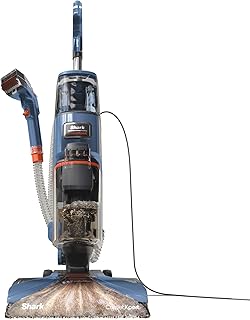
It is essential to vacuum carpets at least twice a week using a vacuum cleaner equipped with a HEPA filter. HEPA filters are designed to trap small particles, including allergens, preventing them from being released back into the air.
Professional Cleaning
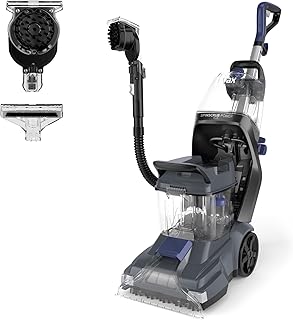
In 2026, homeowners are encouraged to have their carpets professionally cleaned at least once a year. Professional cleaning methods can remove deep-seated allergens that regular vacuuming may miss. Additionally, consider using green cleaning products that are free from harsh chemicals.
Humidity Control
Maintaining optimal humidity levels in the home is vital for preventing mold growth. In 2026, utilizing dehumidifiers can help regulate humidity, particularly in areas prone to moisture. Ensuring that carpets remain dry is key to minimizing mold and dust mite proliferation.
Innovative Carpet Technologies for 2026
Advancements in carpet technology have paved the way for innovative products tailored to enhance indoor air quality. In 2026, several technologies are making waves:
Antimicrobial Treatments
Many carpets now come with built-in antimicrobial treatments that actively prevent the growth of bacteria, mold, and dust mites. These treatments provide an additional layer of protection for allergy sufferers, ensuring that the carpet remains cleaner for longer periods.
Smart Carpeting Solutions
Smart carpets embedded with sensors can monitor air quality and alert homeowners when allergens reach harmful levels. This technology empowers allergy sufferers to take proactive measures, such as enhancing ventilation or initiating cleaning protocols when necessary.
Eco-Friendly Options
In 2026, eco-conscious consumers can choose carpets made from recycled materials or sustainably sourced fibers. These options not only reduce environmental impact but also tend to be free from harmful chemicals, making them safer for allergy sufferers.
As the landscape of flooring options evolves, staying informed about the best choices for allergy sufferers is vital. With numerous materials and technologies available, individuals can create a comfortable and allergy-friendly living space. By focusing on the right carpet choices and maintenance practices, allergy sufferers can significantly improve their quality of life in 2026.